

The oil and gas sector is on the verge of an industry boom largely owing to the Green Hydrogen Project and the recent offshore oil discoveries by companies like TotalEnergies and Shell. The project and oil discoveries have raised Namibia’s potential energy contribution significantly. As such, it is important to understand how the oil and gas industry is structured and how it functions.
Upstream Sector of the Oil and Gas Industry
In the oil and gas industry, upstream refers to activities which involve the exploration and production of oil and gas. The first part – exploration, involves activities including but not limited to, conducting geological surveys, acquiring land right, applying for environmental clearances, digging exploratory wells to look for reserves of oil and gas etc. exploration is a high-risk activity for companies, as it is very expensive and there is no guarantee that those costs will be truly recouped because that would require that the exploration is actually successful. Upstream also includes the steps involved in the actual drilling and bringing oil and natural gas resources to the surface.
The second part is production. Production covers the extraction of the natural resource from the ground. This covers drilling wells, either onshore of offshore, or fracking. Upstream works, unsurprisingly, rely heavily on technology and electronics. Modern exploration relies on surveys conducted using sophisticated electronic equipment, which will likely inform AI and computer-based models of the area, before exploration wells are dug.
Production, too, has become increasingly automated and computerised, as mechanical drilling and fracking equipment has become more advanced, autonomous, and efficient. All of these electronics, of course, mean that there is a heavy reliance on cabling to keep upstream works functioning.
Midstream Sector of the Oil and Gas Industry
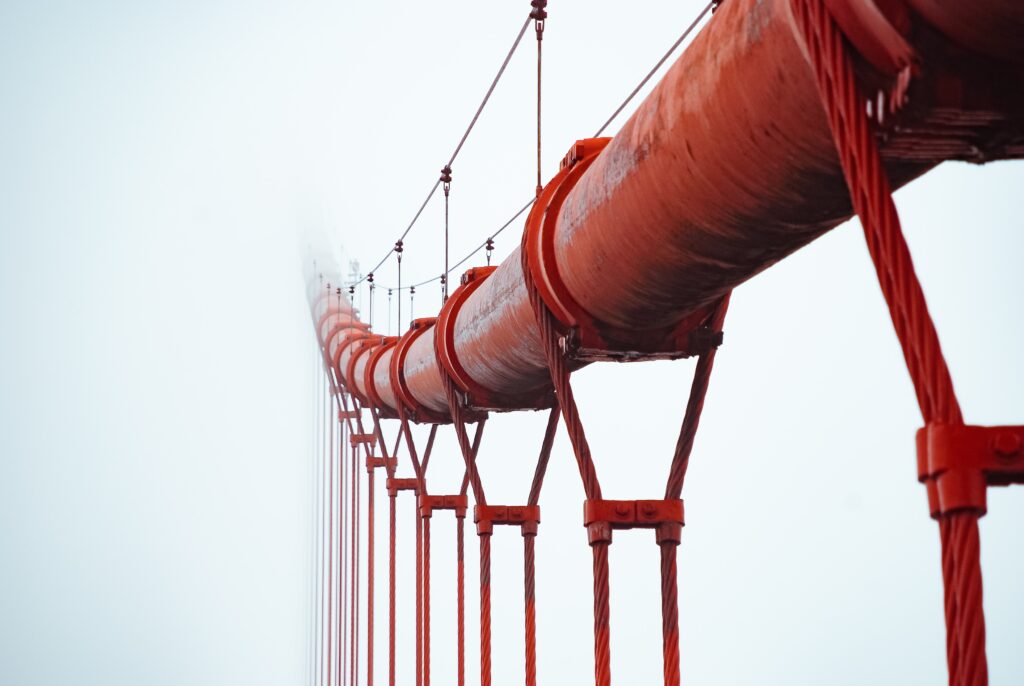
Midstream is the transport and logistics sector of the oil and gas industry. It refers to anything required to transport and store crude oil and natural gas before they are refined and processed into fuels and key elements needed to make a very long list of products we all depend on every day. Once upstream works have been completed – the exploration and extraction of the raw materials from the ground – midstream works cover the initial processing, storage, and transportation of the materials to sites for further refining.
These processing works take the raw oil – which is a mixture of oil, natural gas, and natural gas liquids – and separate these components out, a process which also results in water being produced. The water is either recycled or disposed of, while the natural gas and oil are stored. Midstream also includes pipelines and all the infrastructure needed to move these resources long distances, such as pumping stations, tank trucks, rail tank cars and transcontinental tankers.
Downstream Sector of the Oil and Gas Industry
The final sector of the oil and natural gas industry is known as downstream. This includes everything involved in turning crude oil and natural gas into thousands of finished products we use every day. Some of the more obvious products are fuels like gasoline, diesel, kerosene, jet fuels, heating oils and asphalt for building roads.
This sector handles the final steps in the path that oil and gas take from being in the ground to being in the hands of consumers. They are preceded by upstream and midstream works, which cover the extraction and transportation of crude oil and natural gas to refineries. Downstream involves two main processes, refining and processing. Crude oil is refined using fractional distillation into a variety of products, including gasoline, naphtha, kerosene, and diesel oil.
Fractional distillation works because these different products all have different boiling points. The crude oil is heated in the bottom of the distillation chamber until all the components turn into gases, which rise up the chamber. As they rise up the chamber, they cool, and apparatus is placed to capture the different products as they condense from a vapour into a liquid.
Processing natural gas is a much more complex process, involving multiple chemical reactions to create various end products including ethane, propane, and butane. Once both products have been refined and processed respectively, they are then packaged in various ways and delivered to consumers. This may be petroleum being transported to petrol stations, where consumers then fill their cars, or butane being bottled for use in camping stoves.
This information is for education purposes only. If you seek professional advice on the subject matter, kindly seek the services of a professional.