
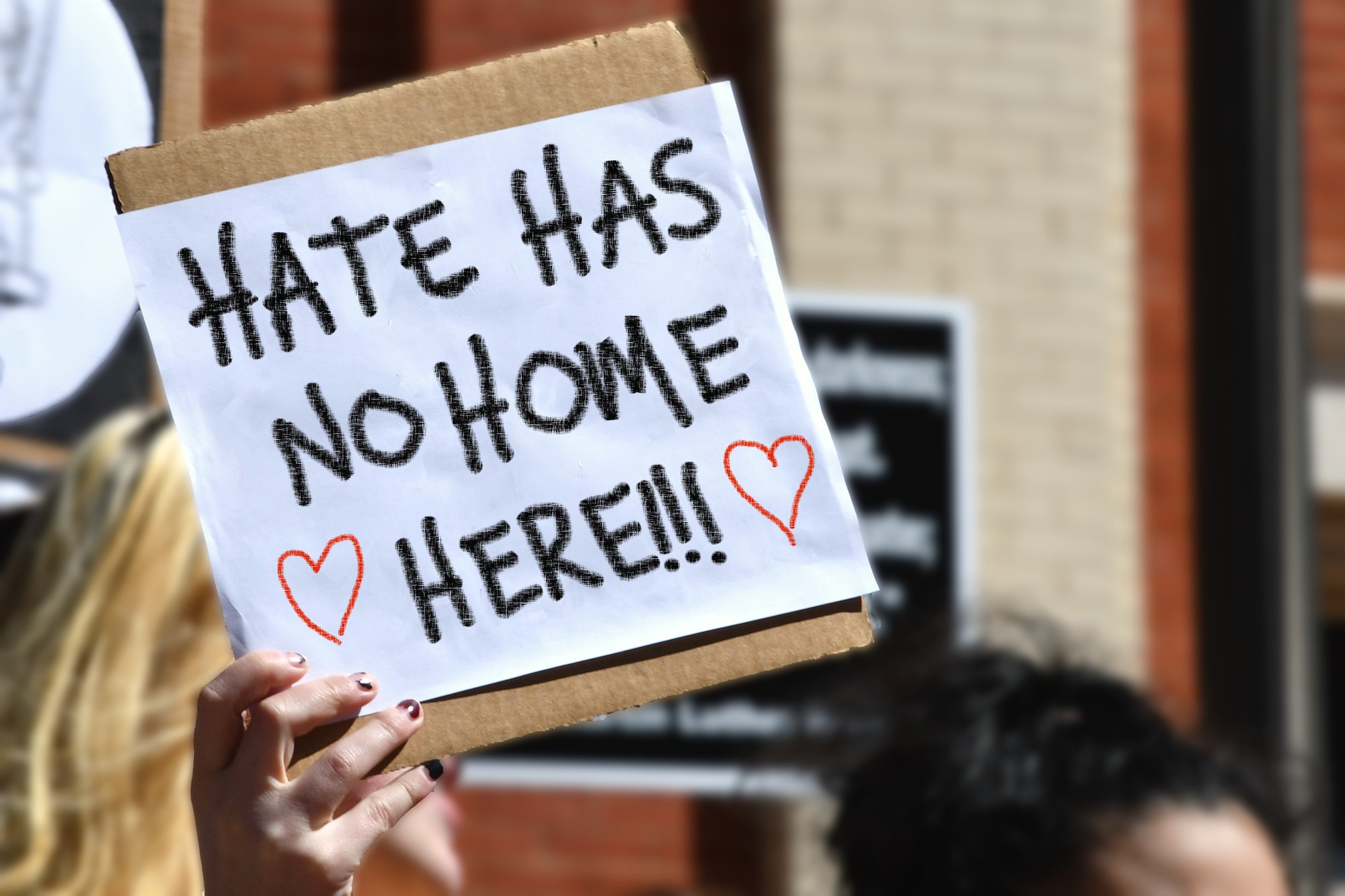
Lets talk about Hate crime and Hate Speech in Namibia, this is a serious issue in Namibia just as well as many other countries. This occurs where individuals and groups are targeted based on their race, religion, sexual orientation, or other characteristics. These crimes, which can include violence, vandalism, and intimidation, have a devastating impact on victims and communities, and they threaten the stability and harmony of the nation as a whole.
One of the most common forms of hate crime in Namibia is racism, particularly against black citizens. Despite the country’s history of apartheid and ongoing efforts to address racial inequality, many Namibians continue to face discrimination and harassment on a daily basis.
Hate crime and hate speech in Namibia can take the form of verbal abuse, physical assault, or even murder. In addition, hate crimes against other minority groups, such as the LGBT community and religious minorities, are also a major concern as they infringe upon the basic human rights of an individual irrespective of how they identify or their religious, social, economic or racial background.
In spite of parliament’s efforts to address hate crime, including passing laws to punish perpetrators, many human rights organizations such as the Legal Assistance Centre, OutRight Namibia and the Ombudsman of Namibia argue that more needs to be done to prevent hate crimes from happening in the first place. This includes educating the public about the dangers of hate and intolerance, as well as fostering greater understanding and acceptance of diverse communities.
OutRight Namibia
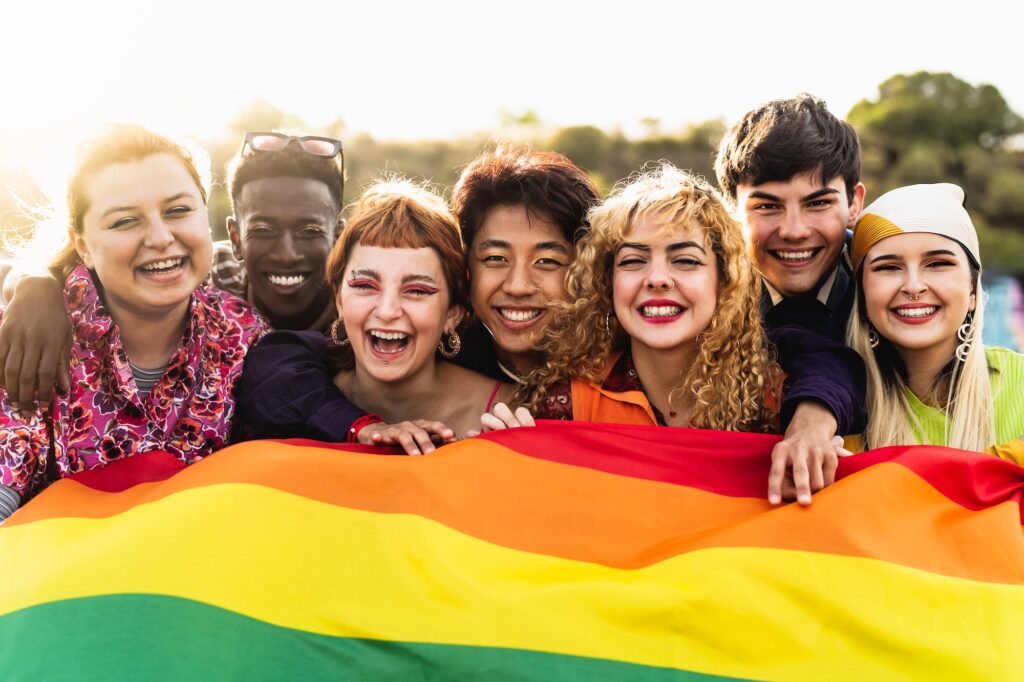
OutRight Namibia is a human rights organization that advocates for the rights of lesbian, gay, bisexual, transgender, and intersex (LGBTI) people in Namibia. The organization was founded in 2013 and is a local chapter of the global LGBTI rights organization OutRight Action International.
OutRight Namibia works to raise awareness about LGBTI issues, provide support and resources for LGBTI people, and advocate for legal and policy changes that protect the rights of LGBTI people. The organization has also documented incidents of hate speech and hate crimes against LGBTI people in Namibia and called for action to address these issues.
Some of OutRight Namibia’s programs and initiatives include providing legal assistance to LGBTI individuals, conducting research on LGBTI issues, organizing workshops and training sessions on LGBTI rights, and engaging with policymakers and government officials to advocate for LGBTI-inclusive policies and laws.
Overall, OutRight Namibia plays an important role in promoting human rights and social justice for LGBTI people in Namibia and this includes the issue of hate crime and hate speech in Namibia.
Ombudsman of Namibia
the Ombudsman of Namibia is an independent institution established by the Namibian Constitution to investigate complaints of maladministration by public bodies in Namibia. The Ombudsman is responsible for promoting good governance, transparency, and accountability in the public sector, and for protecting the rights of individuals who have been unfairly treated by public officials or institutions.
The Ombudsman is appointed by the President of Namibia and reports directly to the National Assembly. The Ombudsman’s office is empowered to investigate complaints from individuals or groups who have suffered injustices, maladministration, or human rights violations in their dealings with public institutions, such as government departments, agencies, or local authorities.
The Ombudsman has a broad mandate to investigate any matter related to public administration, including issues such as corruption, discrimination, abuse of power, and other forms of misconduct by public officials or institutions. The Ombudsman also has the authority to make recommendations and to take legal action against public officials or institutions found to have engaged in maladministration or other forms of misconduct.
Overall, the Ombudsman of Namibia plays a crucial role in ensuring that public institutions in Namibia operate in an accountable, transparent, and fair manner, and that the rights and interests of individuals are protected.
Laws Governing Hate Crime and Hate Speech in Namibia
The Namibian legislative framework does not have a specific legislation that governs hate crime and hate speech in Namibia but we do find that common law provides redress to victims of hate speech through defamation claims. The legislature has implemented various laws in an effort to combat it. However, the effectiveness of these laws in preventing and punishing hate crimes has been widely debated.
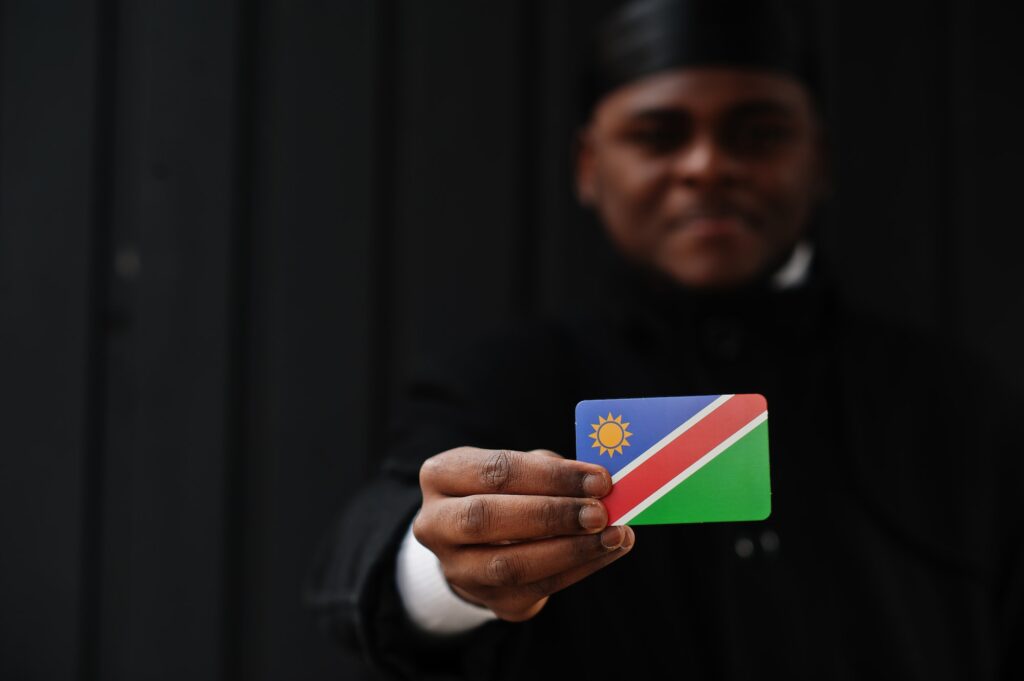
Namibian Constitution Act 1 of 1990
One of the most notable laws in Namibia is the Namibian Constitution which provides for the right to dignity under Article 8 prohibit any persons from subjecting others to torture or to cruel, inhuman or degrading treatment or punishment, as well as Article 10 which provides for “Equality and Freedom from Discrimination” prohibiting any sort of discrimination on the grounds of sex, race, colour, ethnic origin, religion, creed or social or economic status.
Moreover Article 23(1) of the constitution prohibits the practice of racial discrimination and the practice and ideology of apartheid from which the majority of the people of Namibia have suffered for so long and it further allows the courts in accordance with relevant legislation to criminalize any such conduct or activity.
Criminal Procedure Act 51 of 1977
Another law that is relevant to hate crime in Namibia is the Criminal Procedure Act 51 of 1977. Chapter 26 of the Criminal Procedure Act 51 of 1977 provides for crimes and offenses which may in some cases be identified as a hate crime from sections 256 to 270 of the Act thus including offenses which have not been listed or mentioned in the Act.
Racial Discrimination Prohibition Act 26 of 1991
Section 11 of the Act states the following:
- No person shall publicly use any language or publish or distribute any written matter or display any article or do any act or thing with intent to –
- Threaten, ridicule or insult any person or group of persons on the ground that such person belongs or such group of persons belong to a particular racial group; or
- Cause, encourage or incite disharmony or feelings of hostility, hatred or ill-will between different racial groups or persons belonging to different racial groups;
- Disseminate ideas based on racial superiority.
Other Laws and how the address the issue
The Combating of Immoral Practices Act: This law criminalizes hate speech, including speech that promotes or incites violence, hatred, or discrimination based on race, ethnicity, religion, gender, or sexual orientation.
The Labour Act: This law prohibits discrimination in the workplace based on race, ethnicity, gender, religion, or other grounds, and provides remedies for victims of discrimination.
The Anti-Corruption Act: This law prohibits public officials from engaging in corrupt activities, which can include discrimination or other forms of misconduct motivated by prejudice.
Are These Laws Effective?
Despite the existence of these laws, human rights organizations argue that more needs to be done to combat hate crime and hate speech in Namibia. They point out that hate crime and hate speech in Namibia is still a common occurrence in the country, and that many victims do not report the crimes due to fear of retaliation or lack of trust in the criminal justice system.
There is also a lack of data on hate crime and hate speech in Namibia, which makes it difficult to assess the effectiveness of the laws and policies in place. This is mainly due to concerns that the laws are not being consistently enforced, and that many hate crimes go unreported and unprosecuted.
Conclusion
We recognize that while the country has laws in place to combat hate crime and hate speech, the effectiveness of these laws has been widely debated.
In fact, more needs to be done to provide support and protection for victims of hate crimes and to educate the public about the dangers of hate and intolerance. It is important that the government and society work together to address this issue and ensure that everyone is safe and respected in Namibia.
By fostering greater understanding and acceptance of diverse communities we can be one step closer to a harmonious society. And it is only by working together can we hope to create a society where everyone is safe and respected, regardless of their race, religion, sexual orientation, or any other characteristic.
And since you have read until the end of this articles perhaps we can interest you in other topics you might like about Namibia, one good read is about Financial Education in Namibia